

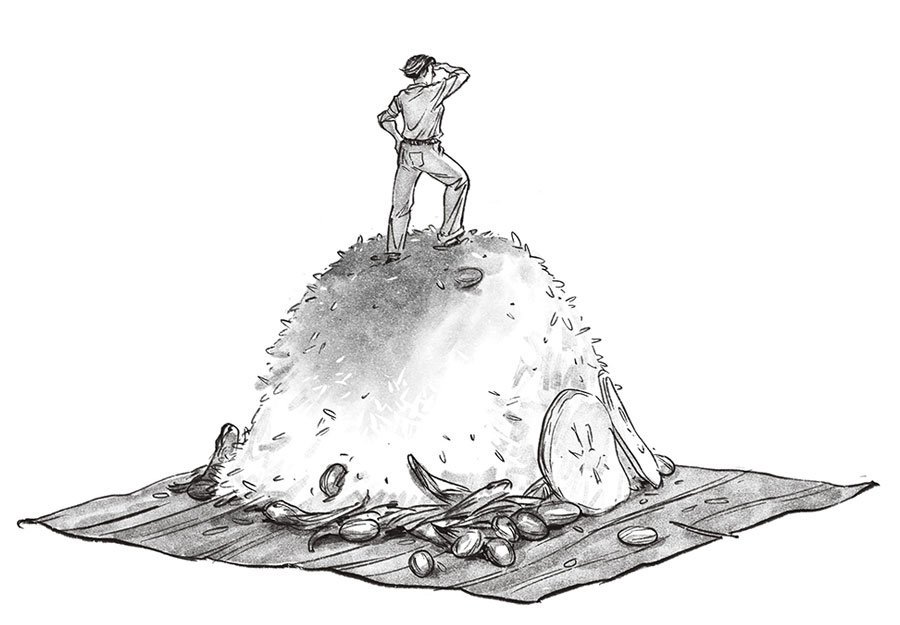
Talking about food in the era of Covid-19, we are seized by how lockdowns have upended the way we eat. Restaurants shut and many may stay closed forever, driven out of business by the escalating costs of waiting and patience. Takeaways and delivery services surge. Cooking fills the long days at home. Questions about whether or not we will eat and drink in public spaces the same way again hang over many a sleepless night. The collapse of the hospitality industry aside, social relationships forged and lubricated by beers and fried noodles, so precious now yet taken for granted when viewed from wistful hindsight, will be hard-won from now on. What is certain is that we cannot go back to where we were with the way we eat, at least not for a long while. The feeling of grief is palpable: food is a comfort. It is culture and identity. What happens when food, like Malaysian cuisine, is placed at the centre of an entire cultural identity, and faces the consequences of the pandemic?
When I first started writing this essay, during those carefree pre-Covid days, stakeholding on cultural food and the culture of food in Malaysia continued to rage, to the exclusion of any preparation for a major event that could imperil comfort, culture and identity. Not the pandemic, but the climate emergency. There is now mounting evidence that the two are intertwined.
More from Mekong Review
-

Poetry from Maw Shein Win
-

A chance encounter in George Town
-

The pandemic has widened the gap between Malaysia and Singapore
- Tags: Alicia Izharuddin, Issue 19, Malaysia