


15 August 1945: Emperor Hirohito admitted the defeat of the Japanese Imperial Army, bringing the war in the Pacific to a close. The day his speech was broadcast was the day the nation of Japan heard, for the first time, the voice of its lord of life. Hirohito spoke in archaic Japanese, with dictum and vocabulary suited for the educated ears of the intelligentsia and samurai classes. But his message was simple: Japan could no longer hold out. Over 30 per cent of Hiroshima’s population had already vanished, and a further 20 per cent was to be evacuated from the wrecked city. It took only seconds for a nuclear bomb—filled with 64 kilograms of enriched uranium—dropped by the Allies to radiate shock waves for miles. In just three seconds, the human flesh of over a hundred thousand innocent Japanese burned away, like old love letters succumbing to a flame.
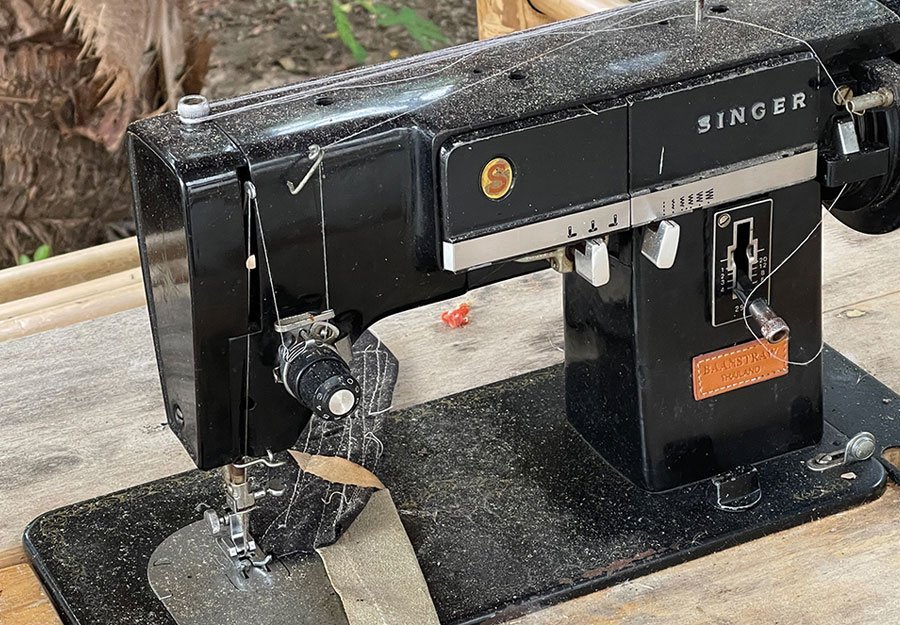
The Japanese weren’t the only ones listening to Hirohito’s speech. Millions of Chinese, most of them migrants to Southeast Asia, were glued to their transistor radios. My grandmother was one of them. She listened attentively to the speech, ignoring the cries of neighbours and friends. The end of war… She absorbed this reality. Unlike her contemporaries, A-ma never hated the Japanese; while many saw only cruelty during the Japanese Occupation, A-ma saw great opportunities. Day Light, the family store, reopened two years after the war.
More from Mekong Review
-

The end of an affair
-
Thai expat literature is littered with bad behaviour
-

Prabda Yoon shifts his absurdist lens to the body
- Tags: Issue 37, Sawarin Suwichakornpong, Thailand