

Myanamar’s Enemy Within:
Buddhist Violence and the Making of a Muslim ‘Other’
Francis Wade
Zed Books: 2017
One morning, along with dozens of other men, Ko Myat boarded a bus from his fishing village to the nearest town. There they were joined by other Rakhine men from other outlying villages, all of whom were promised a meal from a nearby monastery once their day’s work was done. They split into two teams: one to burn the homes, the other to surround the perimeter and attack anyone who fled. Five hours later, a neighbourhood once home to hundreds of Muslim families had been levelled.
Similar stories will be told one day about the events of August, following the second attack on security posts by the Arakan Rohingya Salvation Army and the crackdown that has precipitated Myanmar’s greatest humanitarian catastrophe since Cyclone Nargis.
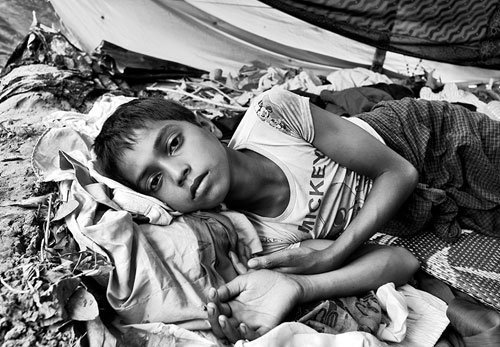
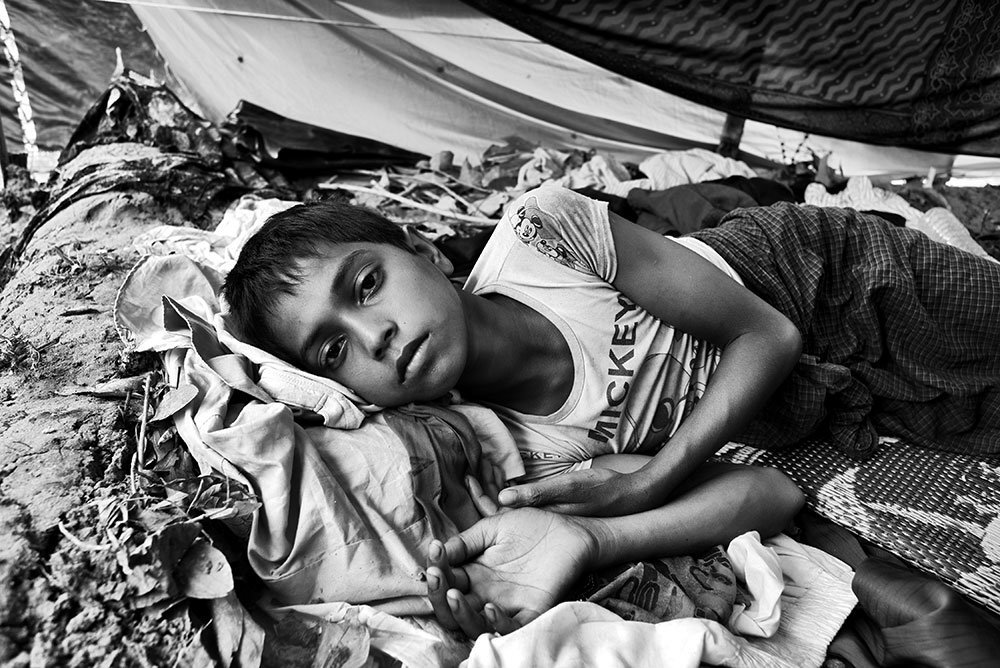
Ko Myat’s story, which introduces Francis Wade’s study of Myanmar’s communal violence, recounts events from five years ago. The neighbourhood he helped flatten, in the Rakhine state capital of Sittwe, is now a warren of leaky thatched huts, blown apart and hastily rebuilt every monsoon season as tropical cyclones from the Bay of Bengal lash the coast. Its residents are some of the more than 100,000 people, overwhelmingly Muslim, whom the violence of 2012 drove out of their homes. They are not allowed to leave.
As with previous waves of violence in Rakhine, the bulk of Myanmar’s public has responded to reports of atrocities against the state’s Muslim population with trenchant denial, encompassing ever greater hostility to journalists and humanitarian workers, a new sympathy for the country’s military that obviates its ignominious history and an insistence that a running refugee crisis that has yet again ensnared neighbouring countries and the wider region is, in the ASEAN parlance, an internal affair.
More from Mekong Review
-
Ethnicity, terminology and identity in Rakhine State
-
The long struggle for citizenship
-

A poem from Maung Day
- Tags: Francis Wade, Issue 9, Myanmar, Rakhine, Rohingya, Sean Gleeson