

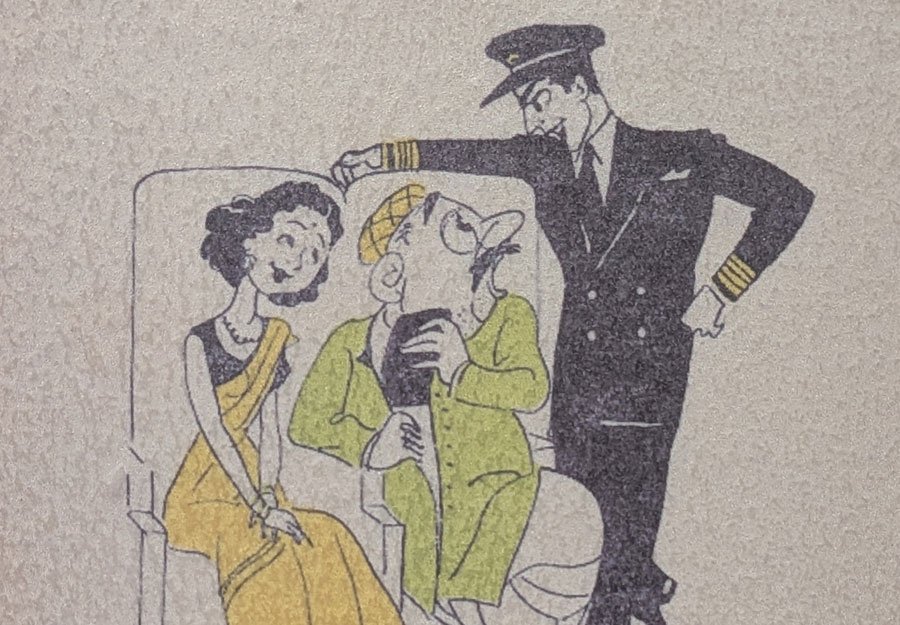
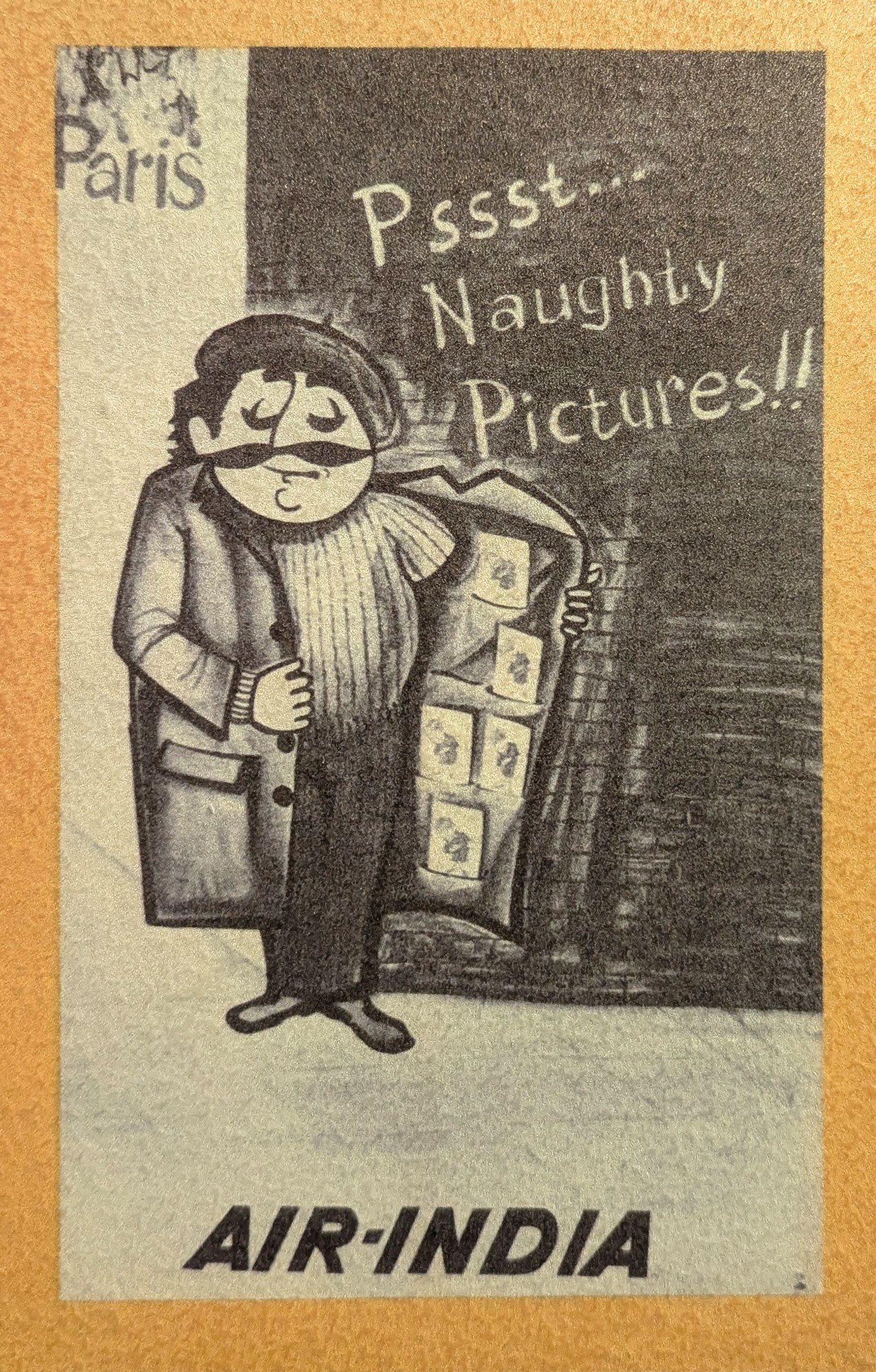
Salvador Dalí’s reputation for greed earned him the anagrammatic nickname “Avida Dollars”—eager for money—from his fellow Surrealists. But Dalí was happy to forfeit his normal payment when commissioned by India’s national airline in 1965… provided his employers gifted him a baby elephant. Air India obliged: when the work was finished two years later, hundreds of cheering locals gathered to greet Dalí’s new pet at a grand arrival ceremony at his home in coastal Spain. The bug-eyed and startled young calf was led into Cadaqués as its new owner waved his cane and posed for a newsreel camera, flanked by a pair of airline hostesses, an astrologer, and the local mayor, who deemed the occasion auspicious enough to declare a three-day public holiday.
Dalí named the creature Surus, after the elephant that carried Hannibal over the Alps during his war against the Roman Republic. He pledged to recreate the Carthaginian general’s journey on the back of his own animal once it came of age, but his caprices won out over his tendency towards showmanship. He quickly came to find Surus tedious, neglected it pitilessly, and was grateful when the zoo in Barcelona offered to relieve him of the poor creature a few years later, telling The New York Times that he would instead seek to acquire a pair of rhinoceroses—in his eyes, a more beguilingly “cosmic” species of animal.
More from Mekong Review
-

Snacking in Calcutta
-

Modern-day India, where societal oppression is balanced by personal freedom
-

Mother Mary Comes To Me is Arundhati Roy’s most astute political act; in it, she fearlessly makes her most intimate confessions and, by doing so, reclaims the conditions under which she can be known.
- Tags: India, Issue 43, Salvador Dali, Sean Gleeson