

Magellan
Directed by Lav Diaz
Rosa Filmes, Andergraun Films, BlackCap Pictures, Lib Films: 2025
.
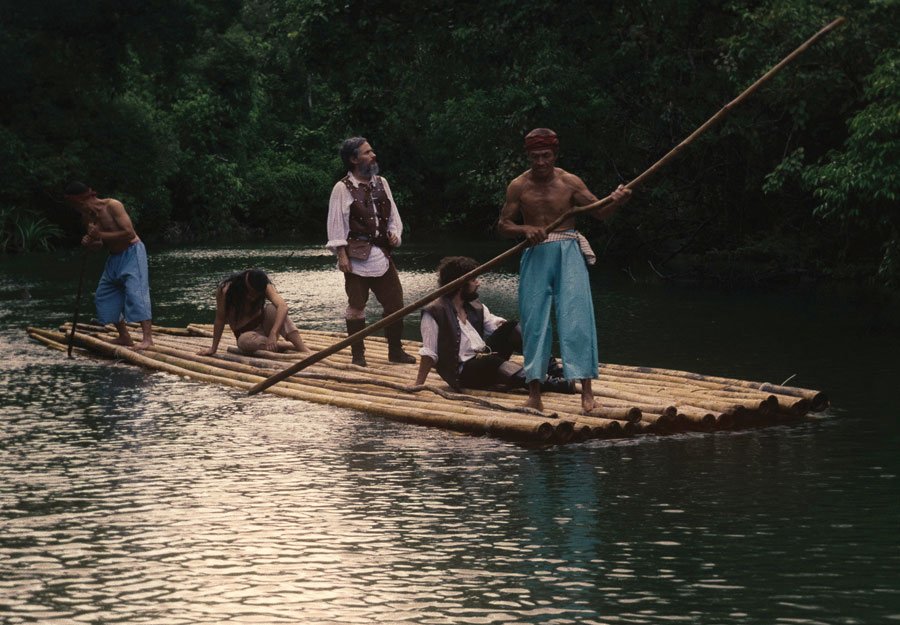
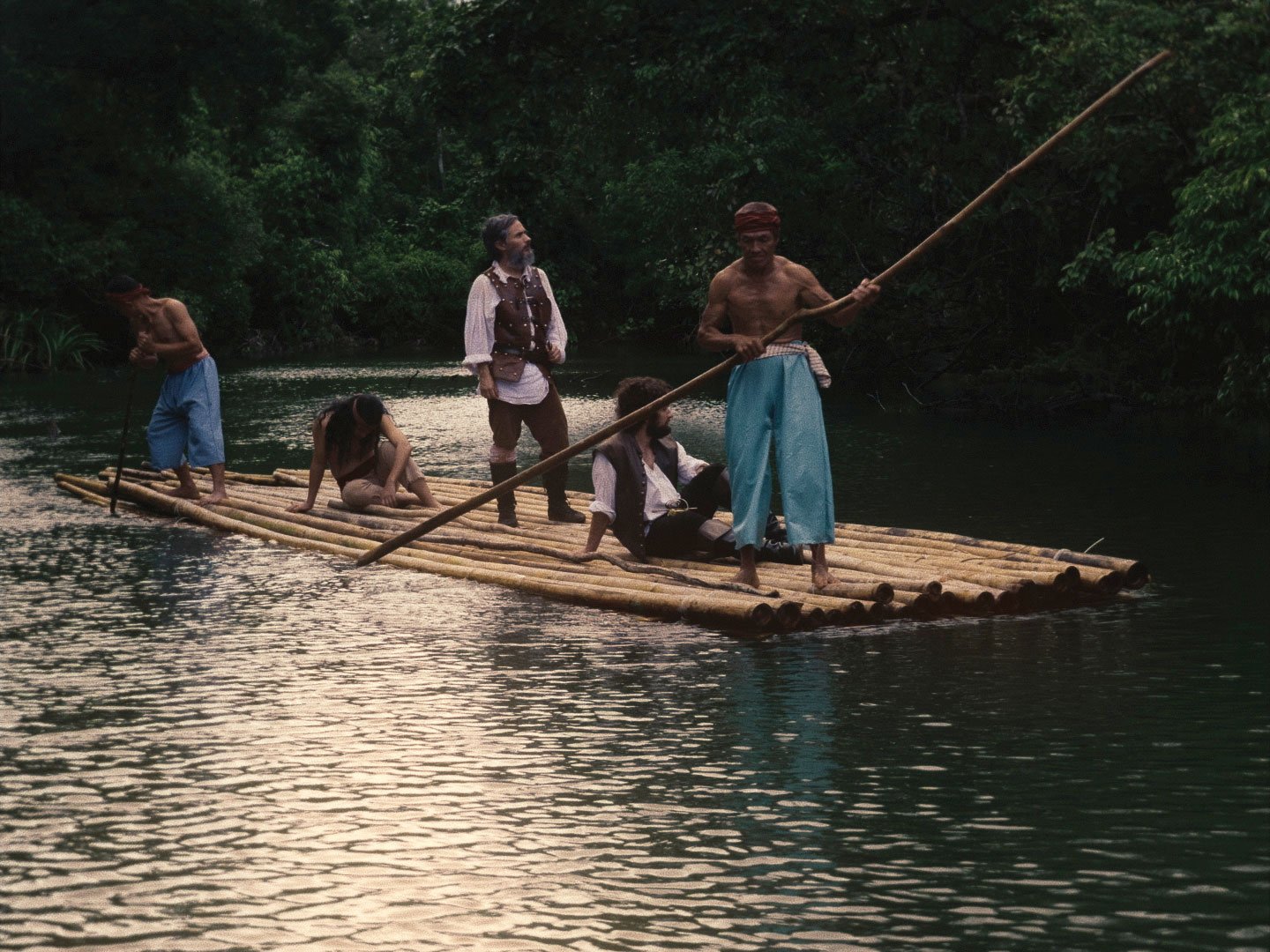
It’s perhaps a little jarring for long-time followers of Lav Diaz’s work to see his latest film given a proper global theatrical release and a real marketing campaign—on top of being in colour, not in Tagalog, and featuring the well-known Mexican movie star Gael García Bernal. But make no mistake, Magellan has all the DNA of a Lav Diaz production. It’s a historical epic brimming with his signature style, sensibilities, and political predispositions. A two-and-a-half-hour drama telling the story of the Portuguese explorer Ferdinand Magellan and his sixteenth-century colonial campaigns in Southeast Asia, the film is unabashedly politically charged, conscious of the violent and tragic legacy of its colonial subjects, and palpably conscious of modern-day Filipino politics.
Colonial violence is present from the first frames of the film: a young woman on the banks of a river becomes terrified at what she witnesses off-screen (likely white colonialists). A second sequence depicts a dark beach with corpses piled one on top of another, a man among them, bloodied but breathing. This is our first visual of Magellan, played by García Bernal. The tragedy is shoved in our faces from the beginning. Magellan is famous for having been a key part of the first circumnavigation of Earth in history (even though he didn’t live to see it completed), but Diaz makes it clear that his film isn’t some graceful portrait of the explorer. In fact, this isn’t a film about exploration at all—it is about death, conquest, and failures that echo through time.
Stylistically, Magellan is similar to many of Diaz’s other films. Despite its grander presentation, it was shot on a consumer camera—the Panasonic Lumix GH7—and features many of the elongated sequences and pondering moments with individual characters that populate his other work. There’s the same conscious avoidance of on-screen depictions of action; Diaz prefers to focus on build-ups and aftermaths instead. He’s known as a proponent of ‘slow cinema’, and while his films are long, with lingering, stretched-out takes, they aren’t devoid of action and aren’t difficult to digest.
More from Mekong Review
-

Poetry from Lawdenmarc Decamora
-

A poem by Alyza Taguilaso
-
Poetry from Tilde Acuña
- Tags: Issue 42, Lav Diaz, Philippines, Soham Gadre