

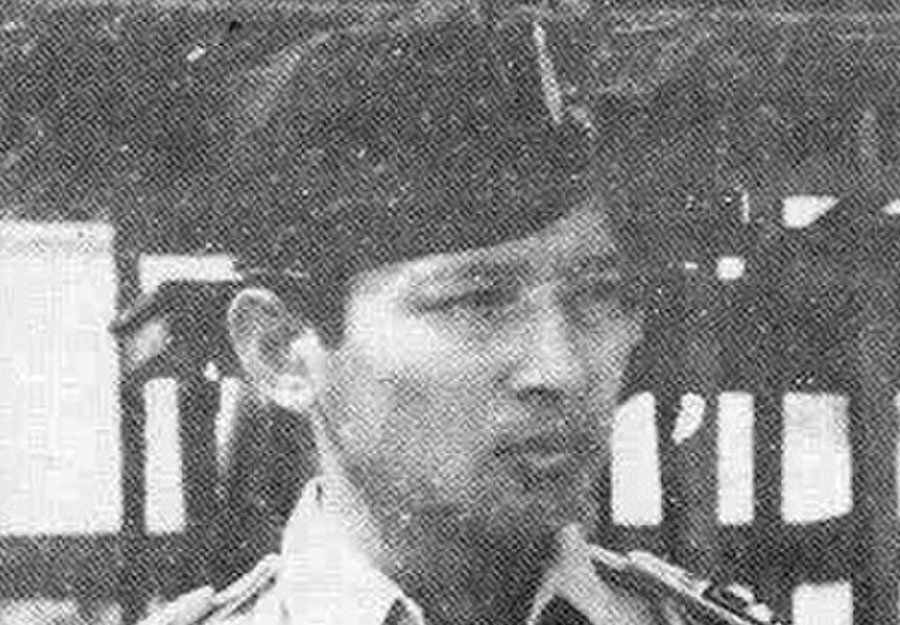
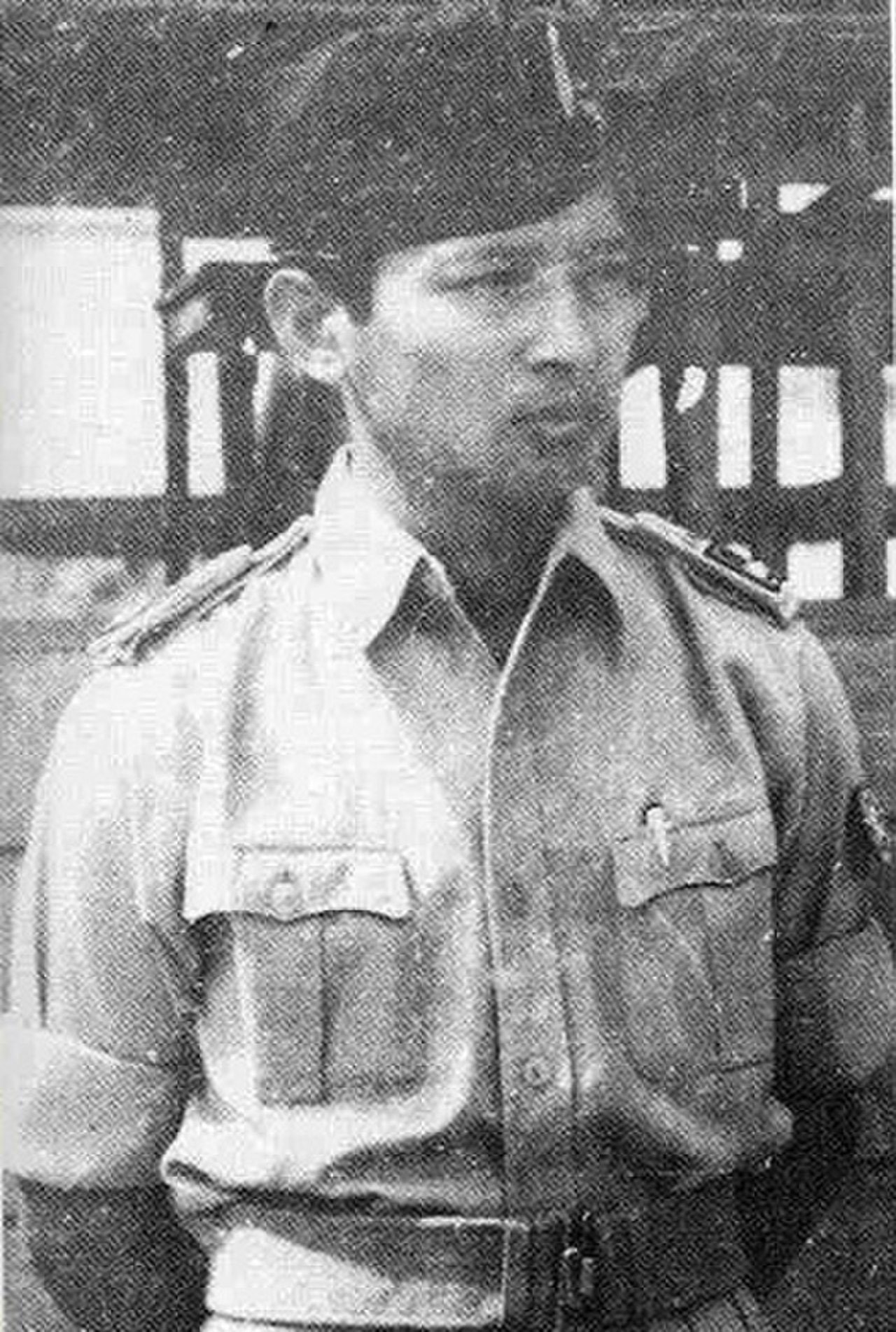
Young Soeharto: The Making of a Soldier, 1921-1945
David Jenkins
Melbourne University Press: 2022
.
In Indonesia, 1998 is imbued with deep political and social meaning, not just a year but a pivotal moment, like 1917 in Russia or 1988 in Myanmar. Brought low by the impact of the Asian financial crisis and increasing anger at the rank corruption of his family, Suharto was finally forced to step down thirty-two years after seizing power. His ouster was the precursor to a new era of democracy, decentralisation and civil liberties, as well as an eventual economic resurgence. But twenty-three years later, a growing number of Indonesian activists are wondering if 1998 was, as the English historian A.J.P. Taylor said of the 1848 uprising in Germany, a turning point at which history failed to turn.
For while Indonesia enjoys the most competitive, free and fair elections in Southeast Asia, the quality of its democracy is in decline, law enforcement agencies squeezing freedom of speech and other human rights, while President Joko Widodo leads a government that has little time for debate, deliberation and public feedback. Jokowi, as the president is known, has built a big-tent coalition incorporating 82 per cent of the parliament, meaning there is little meaningful opposition, a prerequisite for a truly democratic system. Jokowi’s critics have compared his increasingly hard-nosed approach to Suharto’s, an imperfect analogy but one that Jokowi might take as a compliment.
More from Mekong Review
-

Can we fix tourism?
-

Poetry from Lawdenmarc Decamora
-

Snacking in Calcutta
- Tags: Ben Bland, David Jenkins, Indonesia, Issue 26, Soeharto