

A Good True Thai
Sunisa Manning
Epigram Books: 2020
.
The years 1973 and 1976 are the bookends of progressive political possibility in Thailand. On 14 October 1973, hundreds of thousands of students and citizens took to the streets to push out a ruling triumvirate of dictators and clear the way for democracy. After fifteen years of military dictatorship, the people wasted no time and worked to create equality in relationships between bosses and workers, landlords and tenant farmers, urban and rural dwellers, professors and students, and most significantly, the rulers and the ruled. Inspired by the rising left throughout the region and the world, dissidents revived the writing of Thai socialists banned during the dictatorship and translated Lenin, Karl Marx, Frantz Fanon and many others into Thai.
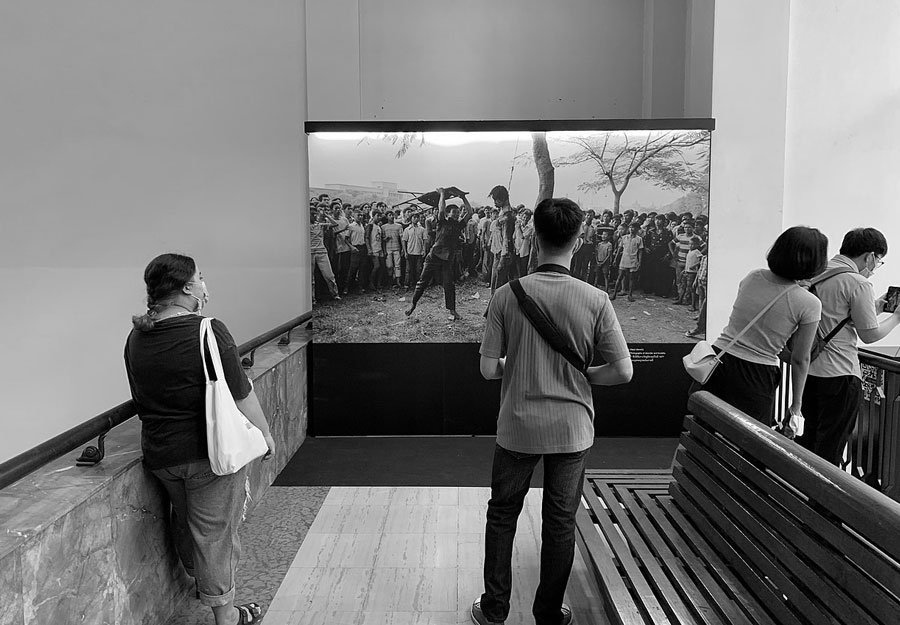
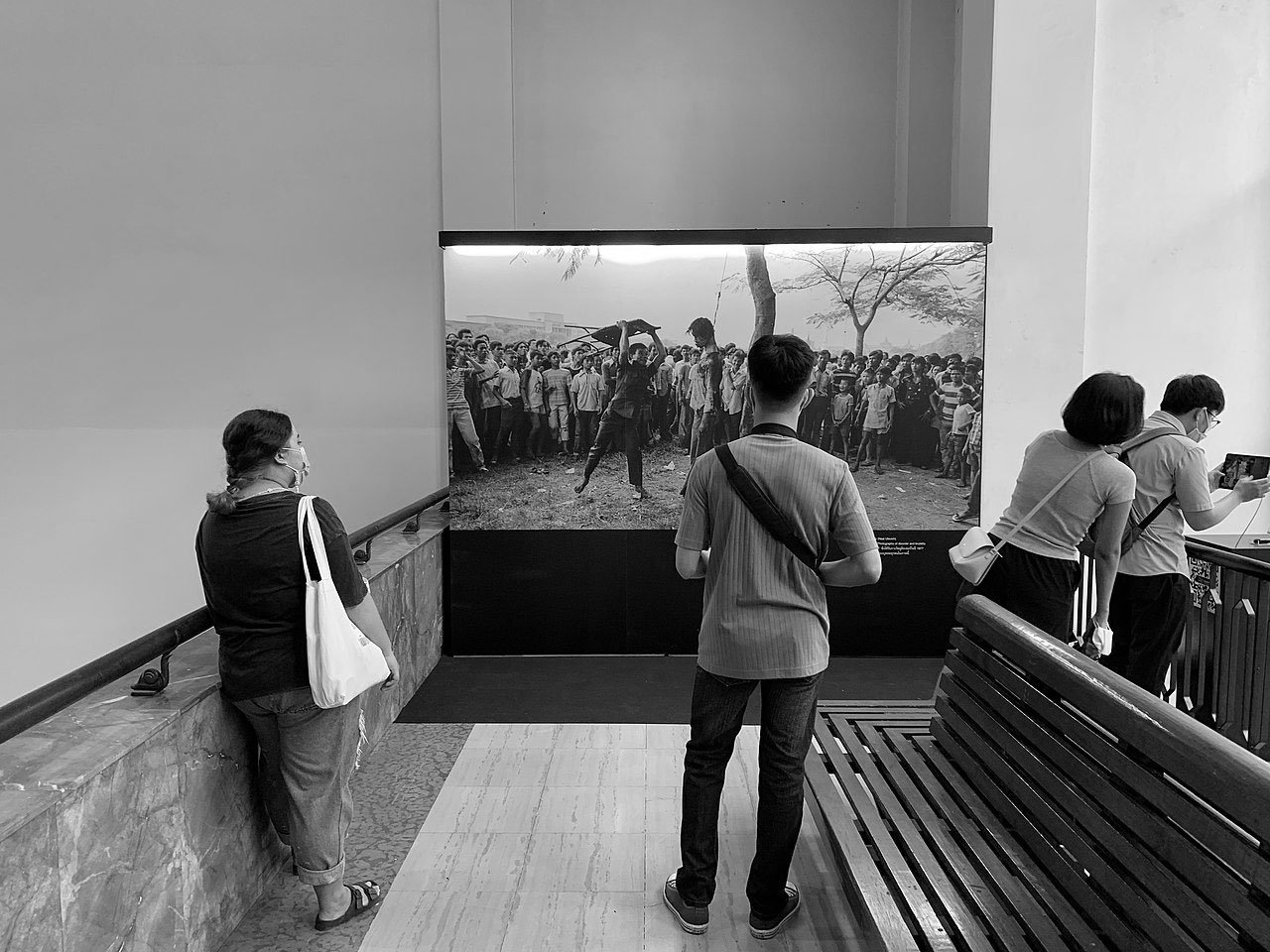
Alongside the open struggle and transformation in the cities, the Communist Party of Thailand (CPT), active since the 1920s, organised in the mountainous margins of the country. But by 1975, with transitions to communism in Cambodia, Vietnam and Laos, the ruling monarchy-military-capital elite began to fear that loss of power and prestige would land on their doorstep and a right-wing backlash began. They made no distinction between those struggling aboveground in the cities, those in the CPT, and the many who moved between both worlds. All were cast as un-Thai enemies of the monarchy, nation and religion, the murder of whom, to quote a virulent monk, Phra Kitthivudho, would not be demeritorious.
More from Mekong Review
-

Poetry from Rory Harris
-

Examining public and private violence in Thailand
-

The end of an affair
- Tags: Issue 22, Sunisa Manning, Thailand, Tyrell Haberkorn