


For evermore, technology and the pandemic will be intertwined. School, work, grocery shopping, doctor’s visits, happy hours, weddings, funerals, court hearings, entertainment, holidays—all of it unfolding amid a pandemic on one of our three screens. Across much of the world for much of the past year, if your job couldn’t take place on a screen, you were deemed ‘essential’—though rarely paid accordingly—and forced to risk your health or your life outside the home. If your home lacked internet, your child was ‘left behind’, forgotten. In what seemed like a matter of moments, the human interactions needed to identify abuse, to ward off depression, to give shape to our lives, disappeared. In exchange, we got technology: a life raft, something we are so lucky to have, even as it falls so very short.
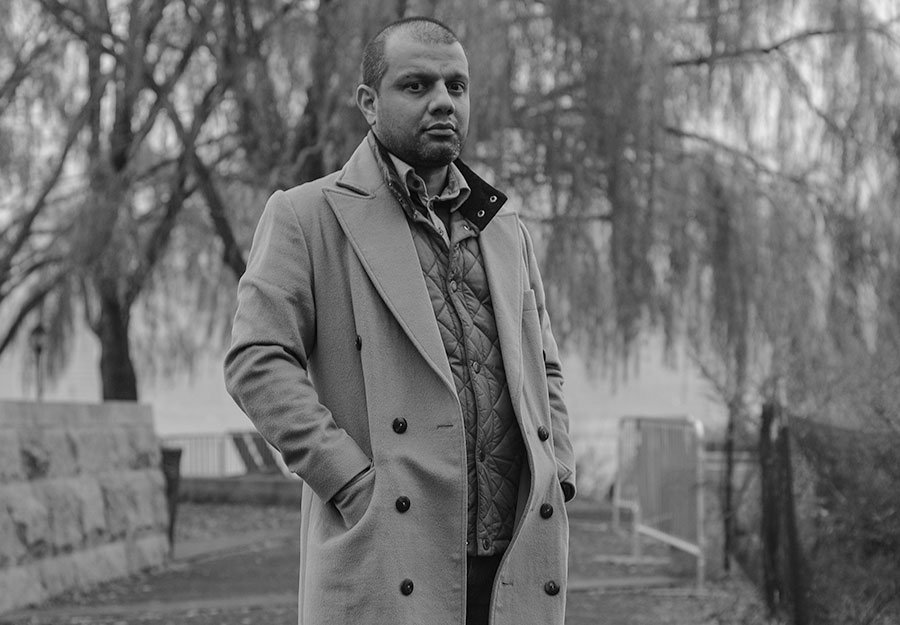
Like all of us, the journalist Anup Kaphle has been thinking a lot about technology over the past year. On a cloudy December day, Kaphle and I met on our respective computer screens in our respective homes, just five miles apart in New York City. We had planned to sit bundled up on a park bench and talk through our masks, but the temperature had dipped below freezing. Fat snowflakes drifted past his window in Queens and mine in Brooklyn. Occasionally, my cat would walk across the thin piece of metal containing Kaphle’s head, shoulders and bedroom, neatly arranged to appear many times each day on his colleagues’ screens.
More from Mekong Review
-

Poetry from Rory Harris
-
Poetry from S Rupsha Mitra
-

The Burmanisation of language in Myanmar
- Tags: Abby Seiff, Anup Kaphle, Issue 22, Nepal